
Most small companies never decide to run an unmanaged travel programme. It just happens. The founder books flights on a personal card, the sales team uses three different apps, and finance only sees the full bill at quarter-end, buried in a pile of reimbursement claims.
You don't need a dedicated travel desk to fix this. Effective corporate travel management for an SME comes down to five things: a short policy, one person who owns travel, a single booking channel, a clean payment and approval process, and reliable support when trips go wrong. This guide shows how to set up each one, step by step.
Smaller firms travel more than people assume. A 2025 Euromonitor report commissioned by Navan found that businesses with 1 to 200 employees made up 26.1% of the business travel market in 2024 and are expected to grow faster than any other segment through 2029, at 7.1% a year. The same research notes that SMEs have one of the highest travel frequencies per employee.
Yet most spending still sits outside any managed system. Euromonitor found only 35% of global business travel spend is booked through a travel management company. India-specific data tells a similar story: in a 2025 GBTA and Visa study, 30% of organisations reported using no corporate payment method for travel within India.
The market itself keeps growing. GBTA's 2026 index puts India eighth globally, with business travel spending of about $46.9 billion. For a small business, that growth usually shows up as rising fares and hotel rates, which makes unchecked spending harder to absorb.
You do not need a full travel desk to bring structure to business travel. These five steps can help an SME build a simple managed programme with clear ownership, better control, and less administrative work.
Skip the 20-page handbook. A single page that people actually read works better. Cover:
Without a travel desk, someone still needs to own the process. In SMEs, this is often an office manager, an executive assistant, or someone in finance. In our experience, the role works well part-time once booking is consolidated. The owner's job is approvals, supplier queries, and a monthly spend review, not making every booking themselves.
This is where most of the control comes from. Pick one route for all business travel and make it the default. Your realistic options are:
Even consolidated programmes leak. Euromonitor found that around 10% of bookings still happen outside approved channels at companies that use a TMC. Make the approved channel the easiest option, not just the mandatory one.
Personal cards and reimbursements create delays and blind spots. Move to company-paid bookings with consolidated invoicing wherever you can. Then keep approvals light:
Amy Butte, CFO at Navan, noted in the Euromonitor release that CFOs are "looking to simplify cost management." For an SME, simpler often means fewer payment methods and fewer manual steps.
A cancelled flight or an unsafe late-night cab is where unmanaged travel hurts most. Decide in advance who travellers call, how you'll know where people are, and what extra steps apply to employees travelling alone at night. Good corporate travel planning answers these questions before anyone needs them.
There's no single right answer, but here's a practical way to decide.
|
Your situation |
What tends to fit |
|
Few trips, mostly simple domestic routes |
A clear policy plus one booking channel |
|
Regular travel, a finance team that wants data |
A corporate travel management system |
|
Frequent, multi-city or international travel with no travel staff |
A managed partner offering corporate travel solutions and live support |
Many growing SMEs end up combining the last two. The software handles routine bookings while a partner covers complex trips and emergencies.
SKIL Travel is a Mumbai-based travel management company that, according to its website, provides tailored solutions for businesses of all sizes. It reports a 20+ year legacy, more than 1.5 million bookings executed, 350+ corporate clients, and coverage across 100+ countries.
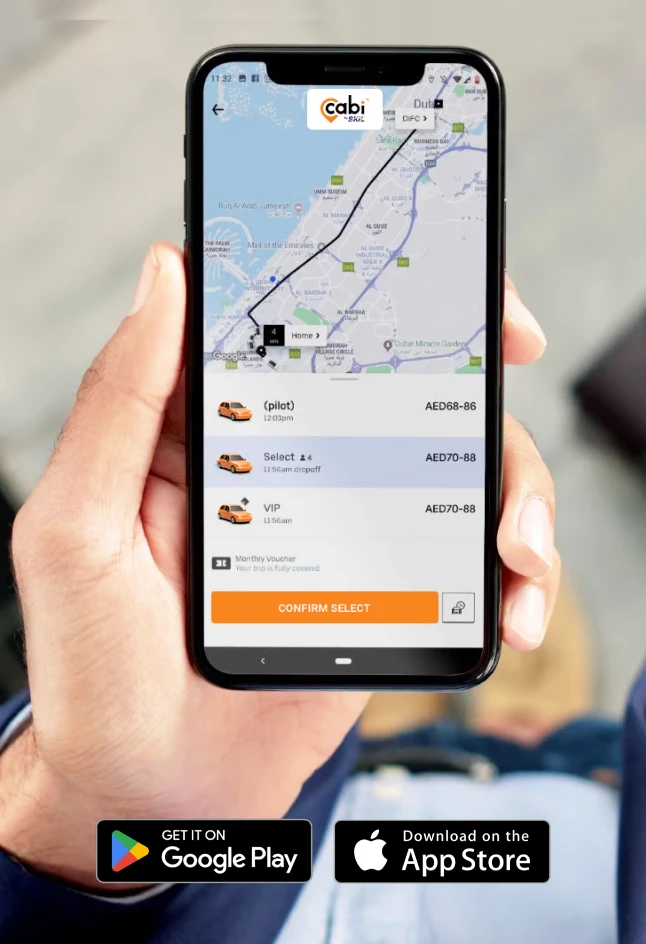
Its services cover most of what an SME without a travel desk needs: air ticketing, global accommodations, visa assistance, corporate cabs through Cabi by SKIL, and MICE and events through SKIL Events, supported by a 24/7 team. One client testimonial on its site describes starting with a three-month trial on senior management bookings before making SKIL its official travel agency. For an SME testing business travel management for the first time, a pilot like that is a sensible way to start with any provider.
Here's a timeline we'd suggest for a small team. Adjust it to your size.
A managed travel programme does not need a dedicated travel desk or complicated processes. SMEs can start with a clear policy, one travel owner, a single booking channel, and simple payment and approval rules. As travel volume grows, a partner such as SKIL Travel can provide the booking support, reporting, ground transport, and traveller assistance needed to manage the programme more efficiently.
The first step is to review your current travel spending and booking habits. Identify frequent destinations, common travel costs, approval gaps, and payment methods. Then create a simple travel policy covering approvals, booking timelines, accommodation limits, and eligible expenses.
SMEs can control travel costs by using one booking channel, setting clear spending limits, consolidating payments, and reviewing travel reports each month. Assigning travel responsibilities to an office manager, finance employee, or executive assistant can also provide oversight without creating a dedicated travel role.
Look for a platform that supports flights, hotels, ground transport, traveller profiles, approvals, policy controls, payments, and reporting. It should be simple enough for employees to use without assistance while giving finance teams clear visibility into bookings, expenses, and policy compliance.
Keep the policy short, practical, and easy to access. Make the approved booking channel convenient and explain why employees should use it. Set clear approval rules and spending limits, then review exceptions regularly. Employees are more likely to follow policies that do not create unnecessary booking delays.
An SME should consider a TMC when travel becomes frequent, international, difficult to track, or time-consuming for internal employees. A TMC can handle bookings, changes, emergencies, reporting, and traveller support, allowing the company to manage growing travel activity without building an internal travel desk.
Ask most finance teams what their business travel cost last year, and they'll have a number w...
- 14 October 2026 | by Shylender Jindal
Two travel partners can send you proposals with almost identical fares and the same list of servi...
- 06 October 2026 | by Ramanpreet Singh
Every company tracks travel spend. Very few track it well. Most finance teams see one total numbe...
- 23 September 2026 | by Ramanpreet Singh
Monday to Thursday is for meetings. Friday and the weekend could be for the beach, a hike, or a n...
- 25 September 2026 | by Ramanpreet Singh
A travel policy can run 10, 15, even 20 pages. An employee, meanwhile, has to decide in seconds w...
- 22 September 2026 | by Shylender Jindal Shylender Jindal