
Two travel partners can send you proposals with almost identical fares and the same list of services. The real difference shows up later, at 11 p.m., when a director's connecting flight is cancelled, and someone needs a new route, a hotel room, and a car before morning.
That difference is what this guide helps you measure. Most corporate travel management companies look alike in a sales deck, so the useful question isn't "who is cheapest?" It's "who will still be dependable when the trip goes wrong?" Below are ten criteria you can test, score, and compare, whether you manage travel for a 50-person firm or a multinational with an India office.
India is no longer a side market for business travel. GBTA's 2026 Business Travel Index ranks India eighth globally, with spending of about $46.9 billion and growth of 8.7%. Worldwide, business travel spending is forecast to hit a record $1.71 trillion in 2026, across roughly 1.84 billion trips.
Programme maturity hasn't fully kept pace. In a 2025 GBTA and Visa study, 77% of Indian travel buyers rated their programme's maturity at seven out of 10 or higher, yet only 38% gave it a nine or 10. GBTA CEO Suzanne Neufang put the wider shift simply: companies are "becoming increasingly selective and productivity-driven" about travel. When every trip has to justify its cost, your travel partner directly affects that return.
The right corporate travel partner should be evaluated on more than fares alone. These ten criteria cover the service, technology, support, safety, and accountability factors that can make a real difference to your travel programme.
Air, hotels, ground transport, visas, and events handled by one partner mean fewer invoices and cleaner data. Ask which services are delivered in-house and which are subcontracted. Subcontracting isn't automatically bad, but you should know who is accountable.
Nearly every provider advertises round-the-clock support. Test it. During your evaluation, call the emergency line at an odd hour and note:
Strong relationships with airlines, hotel groups and local operators translate into availability during peak periods, not just lower prices. Ask for sample negotiated rates in your five most visited cities, and whether savings are passed on to you.
This is where many programmes leak money. The same GBTA study found 30% of organisations use no corporate payment method at all for travel within India. GBTA's India Country Manager, Joythi Varma, has said buyers will need "effective processes for managing their spending" as travel grows. Ask each provider:
Among Indian travel buyers surveyed, 76% use a self-service online booking engine and 91% use an expense management system. Many travellers still prefer an assisted booking for complex trips, though. Look for a partner whose process works with both habits and with the tools you already use.
Around 63% of surveyed organisations use risk-management or traveller-tracking technology. Ask how a provider locates your people during a disruption, what protocols exist for women travelling alone, and who makes decisions in an emergency.
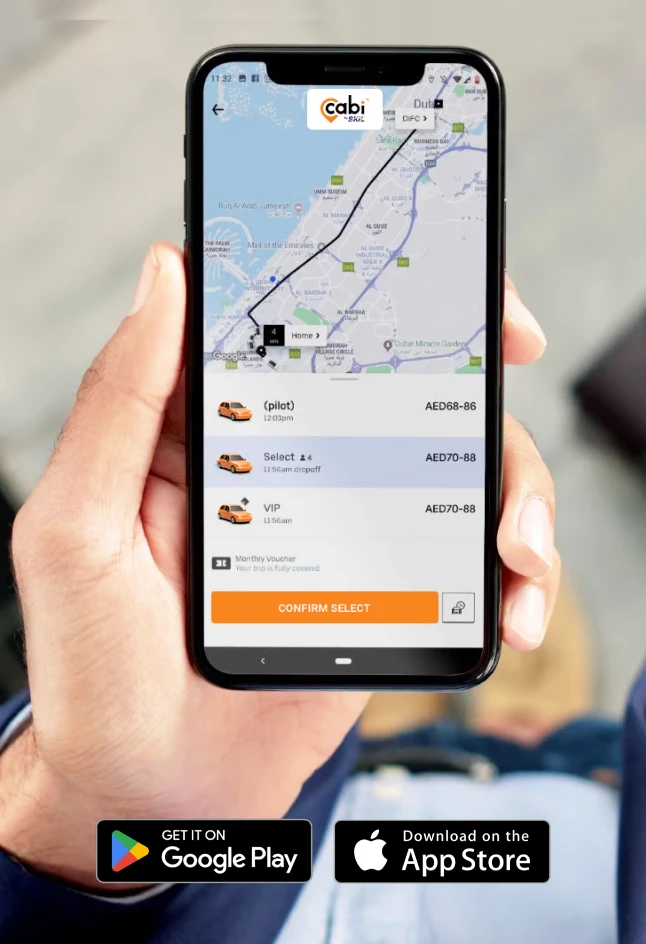
In our experience working with corporate travellers, the cab is often where a smooth trip falls apart. Ask whether cars come from a managed fleet or ad hoc vendors, how drivers are vetted, and whether electric vehicles are available if your company tracks emissions.
For international-heavy teams, a delayed visa cancels the trip outright. Check typical turnaround times, whether you get country-specific document checklists, and which destinations the team handles most often.
A dealer meet or leadership offsite needs different skills from individual bookings: venue sourcing, rooming lists, group air and on-ground coordination. Ask for one comparable event the provider delivered in the last 12 months.
Years in business and client lists are a starting point. Call two references and ask what went wrong during their relationship and how it was fixed. An honest answer tells you more than a spotless story.
SKIL Travel is a Mumbai-headquartered company in corporate travel management that India has relied on for over two decades. According to its website, it has a legacy of 20+ years, more than 1.5 million bookings executed, 350+ corporate clients, and coverage across 100+ countries.
Its services map to several criteria above: air ticketing, global accommodations, visa assistance, MICE and events through SKIL Events, and corporate cabs through Cabi by SKIL, backed by 24/7 support. The company has introduced electric vehicles into its fleet and, in January 2025, launched a Pink Module for women-driven cabs focused on safety.
One client testimonial on the SKIL site describes a three-month trial on senior management bookings before the company made SKIL its official travel agency. That's the kind of pilot we'd recommend with any provider, including us.
Choosing a corporate travel partner is less about finding the lowest fare and more about knowing who will support your travellers when plans change. Score each provider against the ten criteria, test its claims directly, compare the full cost, and run a short pilot before making a long-term commitment.
For companies looking for a partner with 24/7 support, corporate travel services, accommodation, visa assistance, MICE capabilities, and corporate ground transport, SKIL Travel is one provider worth including in the shortlist. Its range of services allows businesses to manage different parts of corporate travel through one partner while maintaining support for travellers throughout the journey.
Every company tracks travel spend. Very few track it well. Most finance teams see one total numbe...
- 23 September 2026 | by Ramanpreet Singh
Monday to Thursday is for meetings. Friday and the weekend could be for the beach, a hike, or a n...
- 25 September 2026 | by Ramanpreet Singh
A travel policy can run 10, 15, even 20 pages. An employee, meanwhile, has to decide in seconds w...
- 22 September 2026 | by Shylender Jindal
A business traveler wants speed when booking, but reassurance when plans fall apart. So, do trave...
- 18 September 2026 | by Trishal Rao
Planning a large corporate event is rarely about finding one hotel, venue, or transport provider....
- 17 September 2026 | by Ramanpreet Singh Ramanpreet Singh