The world of corporate movement is changing faster than ever before. Companies are looking for new ways to manage their trips while keeping employees happy. Many factors, like technology and sustainability, are now driving these shifts. Understanding these changes helps firms stay ahead and plan better for the future.
One of the biggest shifts involves mixing work with fun. This trend is often called bleisure travel. Employees now prefer to add a few personal days to their official trips. It helps them relax and see new cities without paying for extra flights.
How does mixing work and play change surprise the way we book? When employees stay longer, they often choose different types of lodging. This affects how a business-to-business travel agency plans the itinerary for its clients.
Technology is making every trip feel more personal. AI tools can now predict what a traveler needs before they even ask. This includes room preferences or favorite airlines based on past data.
Using these tools is a hallmark of the best travel management company today. Modern systems learn from every trip to make the next one smoother. Data from researchers at MIT suggests that AI can improve logistics efficiency by over 20% in large organizations.
Many firms are now worried about their carbon footprint. They want to travel in a way that does not hurt the planet. This means choosing trains over planes when possible or picking eco-friendly hotels.
What can a company do to be more eco-friendly? They can start by choosing partners who value the environment. For instance, SKIL Travel helps businesses find ways to reduce their impact while still meeting their goals. According to the United Nations Environment Programme (UNEP), the tourism and travel sector is responsible for about 8% of global greenhouse gas emissions. This makes the shift toward green business travel very urgent.
Safety is no longer just about insurance. It is now about the physical and mental health of the traveler. Companies are looking at the "duty of care" in a much broader way than before.
"The safety of our people is the foundation of every successful trip," says Suzanne Neufang, CEO of the GBTA. This quote highlights why wellness is now a top priority. When firms focus on people, the business travel experience becomes much more productive.
Even as people head back to the office, virtual meetings remain popular. This does not mean travel is dead. Instead, it means that the trips people take are more meaningful and focused.
Can virtual reality replace actual trips? While it helps for quick chats, it cannot replace the trust built over a face-to-face dinner. SKIL Travel understands that every trip must provide real value to the company's bottom line. High-quality business travel is about making connections that last.
Prices for flights and hotels have gone up. This makes budget management a top concern for every travel manager. They need to find ways to save money without making the trip uncomfortable.
Efficiency is key to survival in a tough economy. By working with SKIL Travel, companies can streamline their spending and see exactly where their money goes. Studies from Harvard Business School suggest that travel is an investment, not just a cost, if managed correctly.
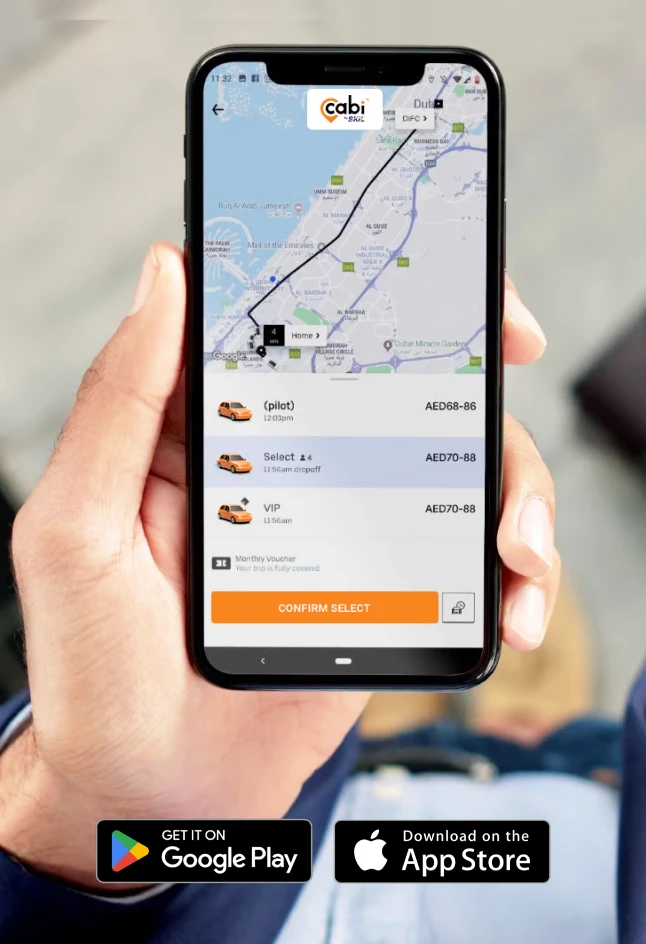
Getting from the airport to the hotel is also changing. Ride-sharing and electric vehicles are becoming the norm for corporate travelers.
Seamless movement is the goal of any modern business travel plan. When the ground transport is easy, the traveler arrives at their meeting ready to work. This focus on the "last mile" of the trip is a major trend for the coming years.
The landscape of corporate trips is evolving toward better tech and more care for the person. From AI to green energy, the focus is on quality over quantity. Staying informed about these trends helps businesses make better choices. Whether it is through bleisure or better safety, the future of work on the road looks bright with SKIL Travel.
Bleisure travel is the practice of combining a business travel trip with leisure time. It allows employees to explore new destinations by adding personal days to their work schedule. This trend helps reduce stress and improve job satisfaction without requiring extra flights.
AI helps a business to business travel agency provide faster and more personalized service to its clients. It can predict flight delays, suggest preferred hotels, and automate the tracking of expenses. These tools save time for both the traveler and the finance department.
Many companies now aim to reduce their carbon footprint to meet global environmental goals. By working with SKIL Travel, firms can track their emissions and choose eco-friendly hotels or transportation. This shift helps protect the planet while maintaining professional connections.
A strong policy should cover "duty of care" by focusing on the safety and mental health of the traveler. It must include clear rules for mixing personal days with work and offer 24/7 support. SKIL Travel ensures that every policy is flexible enough to handle the needs of modern workers.
While video calls are great for quick updates, they cannot replace the trust built during face-to-face meetings. High-stakes deals and team-building events still require actual travel. SKIL Travel helps businesses decide which meetings provide the most value for an in-person visit.
Ask most finance teams what their business travel cost last year, and they'll have a number w...
- 14 October 2026 | by Shylender Jindal
Most small companies never decide to run an unmanaged travel programme. It just happens. The foun...
- 08 October 2026 | by Shylender Jindal
Two travel partners can send you proposals with almost identical fares and the same list of servi...
- 06 October 2026 | by Ramanpreet Singh
Every company tracks travel spend. Very few track it well. Most finance teams see one total numbe...
- 23 September 2026 | by Ramanpreet Singh
Monday to Thursday is for meetings. Friday and the weekend could be for the beach, a hike, or a n...
- 25 September 2026 | by Ramanpreet Singh Heena saini