
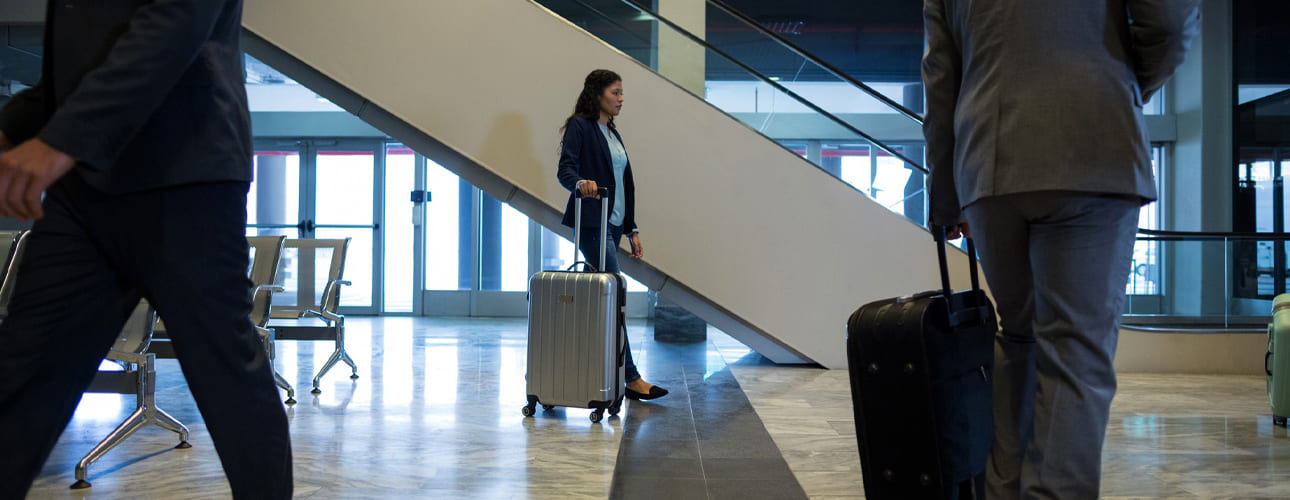
Your first professional trip can feel exciting and challenging at the same time. A new destination, unfamiliar schedules, meetings, and professional expectations can make the experience overwhelming if you are not prepared. The right planning can help you stay organised, confident, and focused on the purpose of your trip while avoiding common travel-related stress.
Whether you are travelling for a client meeting, conference, networking event, or business discussion, preparation is the key to a smooth experience. These practical tips can help first-time travellers handle every stage of their journey more effectively.
Before leaving, be clear about why you are travelling and what you need to accomplish. Understanding your objectives will help you prioritise your time and prepare for important interactions.
Start by reviewing your schedule and identifying key meetings, presentations, events, and networking opportunities. Prepare all documents you may need, including presentations, contracts, notes, contact details, and meeting agendas.
A clear objective will also help you decide what to carry, how to manage your time, and what preparation is required before reaching your destination.
A well-organised business travel plan can reduce confusion and help you manage your schedule efficiently. Instead of arranging every detail at the last minute, prepare your itinerary in advance.
Your plan should include:
Keeping all these details together makes it easier to track your schedule and respond to unexpected changes.
Packing efficiently can save time and reduce stress. For a professional trip, focus on items that are useful, comfortable, and appropriate for your meetings.
Consider carrying:
Keep important documents available digitally as well as physically. A structured packing checklist can prevent you from forgetting essential items.
Your hotel can directly affect your comfort, productivity, and travel time. When selecting accommodation, consider its distance from your meeting locations, airport, and important business areas.
Look for properties that offer:
Effective corporate travel planning should consider more than the room rate. A slightly more convenient hotel can save valuable time and make the overall trip easier to manage.
Getting around an unfamiliar city can become stressful when transportation is not planned properly. Airport transfers and local transportation should ideally be arranged before your arrival.
Consider the distance between your hotel, airport, and meeting venues. Depending on the destination, you may use airport transfers, corporate cabs, rental vehicles, rail services, or reliable ride-hailing options.
Pre-booking transportation can reduce waiting time and help you arrive at meetings punctually.
A reliable provider of corporate travel services can also help coordinate transportation and make changes when your schedule shifts unexpectedly.
Technology can make your trip significantly easier by keeping important information in one place. Instead of relying on printed documents alone, use digital tools to manage your itinerary and expenses.
Useful tools include:
These tools can help you stay organised while reducing the risk of losing important information during the journey.
Your behaviour during a professional trip represents both you and your organisation. Punctuality, appropriate clothing, communication, and cultural awareness can influence how clients and colleagues perceive you.
If you are travelling internationally, research local customs before your departure. Understanding basic cultural practices can help you avoid misunderstandings and build stronger professional relationships.
Maintain professionalism during meetings, meals, networking events, and informal interactions. Small details can make a lasting impression.
Travel can disrupt your normal work routine, but you can still remain productive with proper time management. Use travel time for manageable tasks such as reviewing presentations, responding to emails, or preparing for meetings.
At the same time, avoid filling every free moment with work. Long journeys and busy schedules can be tiring, so include adequate breaks in your itinerary.
A balanced routine can help you remain focused without unnecessary fatigue.
Maintaining your health during a trip is essential, particularly when dealing with long flights, changing time zones, and packed schedules.
Keep yourself comfortable by:
A healthy routine can improve concentration, energy, and overall performance during important professional engagements.
Managing flights, accommodation, transportation, changes, and unexpected issues alone can become difficult, especially during your first trip. Professional support can simplify these responsibilities and give you access to assistance when you need it.
A dependable travel partner can help with booking coordination, itinerary changes, accommodation, transportation, and emergency support. This allows you to focus more on your meetings and less on travel logistics.
SKIL Travel supports organisations with professional travel services designed around corporate requirements. Its experience can help travellers manage different aspects of their journey more efficiently.
For first-time travellers, having reliable support can make the experience more organised and less stressful. SKIL Travel can assist with planning and coordination while helping businesses manage changing travel requirements.
A successful first trip comes down to preparation, organisation, and flexibility. Understanding your objectives, planning your itinerary, packing efficiently, arranging transportation, and maintaining professional etiquette can make the journey much easier. From the first booking to the return journey, SKIL Travel can support businesses with practical travel assistance and coordinated services. With the right preparation and reliable support, your first professional trip can become a productive and positive experience.
A travel policy can run 10, 15, even 20 pages. An employee, meanwhile, has to decide in seconds w...
- 22 September 2026 | by Shylender Jindal
A business traveler wants speed when booking, but reassurance when plans fall apart. So, do trave...
- 18 September 2026 | by Trishal Rao
Planning a large corporate event is rarely about finding one hotel, venue, or transport provider....
- 17 September 2026 | by Ramanpreet Singh
What if a company could know where employees are likely to travel next quarter, which routes will...
- 15 September 2026 | by Ramanpreet Singh
Your finance team wants lower travel costs. Your board wants a smaller carbon footprint. Your sta...
- 21 September 2026 | by Shylender Jindal SKIL Travel