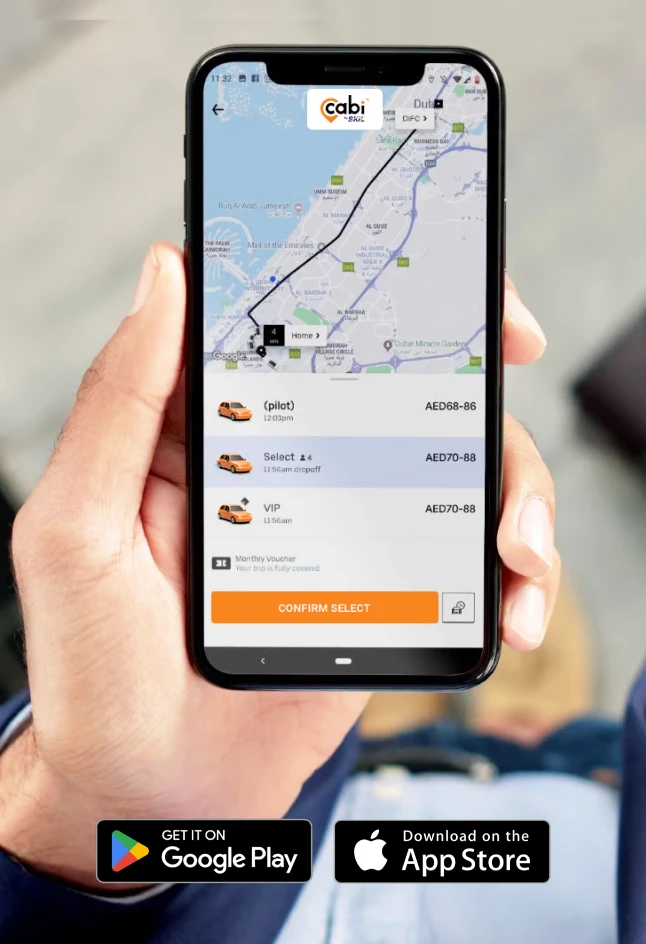

Work trips are now a regular part of many companies. Employees travel for meetings, events, training, sales visits, and client work. These trips need careful planning. They also need clear budgets and simple processes.
Corporate business travel means travel taken by employees for work-related reasons. It can include domestic and international trips. A trip may involve flights, hotels, airport transfers, meals, and local transport. Companies often manage these services under a defined travel policy.
Good planning helps employees focus on their work. It also helps companies control travel spending.
Travel can help businesses build stronger client relationships. Face-to-face meetings can also support sales and partnerships. Employees may need to visit offices in other cities. They may attend trade shows or industry events. Some roles may also require regular site visits.
The challenge is managing these trips without wasting time or money. A well-planned travel process can make each trip easier to handle.
Corporate trips can take many forms. Sales teams may travel to meet clients. Managers may visit regional offices. Employees may also travel for conferences and training programs.
Some trips are planned weeks ahead. Others happen with very little notice.
Each type needs a different level of planning. International trips may need more documents and longer preparation.
A typical trip starts with a travel request. The employee shares the destination, dates, purpose, and expected costs. The request may then go through an approval process.
After approval, flights and hotels can be booked. Travel details are shared with the employee.
A clear process prevents confusion. It also gives managers better visibility over company travel.
Travel policies set basic rules for employee trips. They can define approved airlines, hotel limits, booking classes, and spending caps. Policies can also explain approval rules. This helps employees understand what they can book without extra permission.
A simple policy is easier to follow. Companies should review their policies regularly. Travel prices and employee needs can change over time.
Travel can become a major business expense. Airfare is often one of the largest costs. Hotels, meals, ground transport, and other services also add up. Companies can control spending by setting clear limits. They can also use preferred suppliers and negotiated rates.
Tracking past spending can reveal useful patterns. It may show where a company is spending too much.
Employees may use different websites when booking trips. This can make travel data difficult to track. A central platform can bring bookings into one place. It can show approved travel options. It can also make company rules easier to apply.
For many organizations, corporate travel management helps create a more organized booking process.
Travel managers can review trips from one system. Finance teams can also access clearer records.
Flight selection should be considered more than price. The departure time matters. So does the arrival time. Baggage rules and change fees also need attention. For important meetings, arriving early can reduce travel risk.
Employees should also consider flexible fares when schedules may change. The best flight is the one that fits both the business need and the company policy.
Hotel selection also affects a trip's total cost. Location is often as important as the room price. A hotel near the meeting venue can reduce local transport costs.
Companies may have preferred hotel chains. These relationships can sometimes provide better rates. Employees should check the approved hotel list before booking.
Not every trip can be planned in advance. Client requests can arrive suddenly. Meetings can also change with little notice. Last-minute travel can be more expensive. It can also reduce the number of available options.
Companies should keep a simple process for urgent trips. Employees should know who can approve an urgent booking. They should also know where to get travel support.
Technology has changed how companies organize work trips. Modern platforms can manage searches, bookings, approvals, and travel records. They can also give travel managers better visibility.
Mobile access is useful for employees who are already travelling. Automation can reduce manual work. It can also help prevent mistakes during booking.
International travel requires extra planning. Employees may need passports, visas, travel insurance, and other documents. Entry rules can also vary by destination. Companies should check requirements before confirming international trips.
Time zones also matter. Meeting schedules should account for local time. A detailed itinerary can make international travel much easier.
Employee safety should remain a priority. Companies should know where their employees are travelling. They should also have a way to contact travelers during emergencies.
Travel alerts can help employees prepare for disruptions. Support is especially important during international trips.
Employees should know whom to contact if a flight is cancelled or a local emergency occurs.
SKIL Travel provides travel services for businesses and travelers. Companies can use professional travel support to simplify planning and booking.
For growing organizations, a dedicated travel partner can reduce the workload on internal teams. SKIL Travel can be considered by businesses looking for structured support across their travel needs.
The right partner should understand company policies. It should also provide timely help when plans change.
Companies can start with a clear travel policy. They can then centralize bookings and track spending. Traveler profiles should remain accurate. Employee preferences can make future bookings easier.
Companies should also review travel data regularly. This can reveal common destinations and frequent travel routes. It can also highlight areas where savings may be possible.
Corporate travel is becoming more digital. Employees expect faster booking and easier access to travel information. Companies want stronger cost control and better reporting.
Technology will continue to support these needs. However, human support will still matter. Complex trips and unexpected problems often need personal assistance.
A balance between technology and expert support can create a better travel experience.
Corporate business travel is more than booking a flight and hotel. It involves planning, approvals, budgets, safety, and employee support. Companies need a process that keeps travel simple. They also need enough control to manage costs.
Good technology can help organize bookings and travel data. A reliable travel partner can provide support when plans change. For businesses reviewing their travel process, SKIL Travel offers professional travel services worth considering.
A well-managed approach to business trips can save time, improve employee experience, and give companies better control over travel spending.
Every company tracks travel spend. Very few track it well. Most finance teams see one total numbe...
- 23 September 2026 | by Ramanpreet Singh
Monday to Thursday is for meetings. Friday and the weekend could be for the beach, a hike, or a n...
- 25 September 2026 | by Ramanpreet Singh
A travel policy can run 10, 15, even 20 pages. An employee, meanwhile, has to decide in seconds w...
- 22 September 2026 | by Shylender Jindal
A business traveler wants speed when booking, but reassurance when plans fall apart. So, do trave...
- 18 September 2026 | by Trishal Rao
Planning a large corporate event is rarely about finding one hotel, venue, or transport provider....
- 17 September 2026 | by Ramanpreet Singh SKIL Travel