
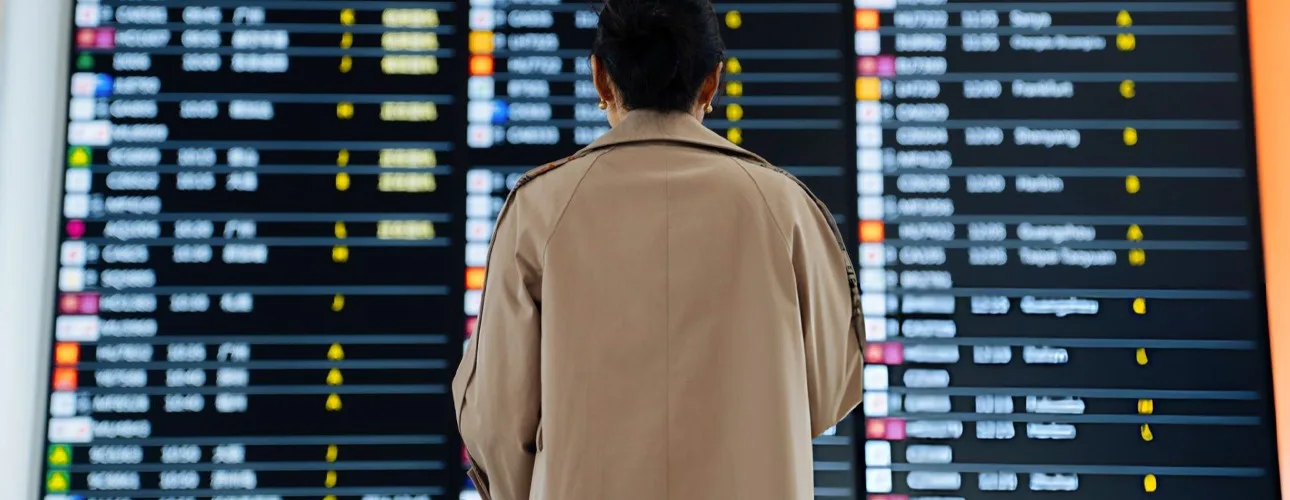
Business trips can involve flights, hotels, meetings, conferences, and international connections. Even a well-planned trip can face unexpected problems.
Flight cancellations, lost baggage, medical emergencies, and travel delays can affect an employee's schedule and company budget. These risks become more important when employees travel frequently or visit international destinations.
Travel insurance can provide financial protection and support when unexpected situations occur. For companies, it can also become an important part of a responsible travel programme.
Business travel involves more than reaching a destination on time. Employees may carry work equipment, important documents, and business materials. A disruption can therefore affect both the traveller and the company.
Travel insurance can cover specific risks depending on the policy. These may include medical emergencies, trip cancellations, baggage loss, delays, and emergency assistance.
The exact coverage varies between insurers and plans. Companies should therefore review policy terms before employees travel.
Insurance should not replace careful planning. Instead, it adds another layer of protection to the overall travel programme.
Medical problems can happen without warning during a business trip.
An employee may become ill, suffer an injury, or need emergency treatment while travelling. Medical costs can be particularly high in some international destinations.
A suitable insurance policy can help cover eligible medical expenses based on its terms. Some policies may also provide emergency medical assistance and evacuation support.
Companies should check geographical limits, exclusions, treatment conditions, and coverage amounts before selecting a policy.
Business plans can change quickly. A client may postpone a meeting, a conference may be cancelled, or an employee may face an unexpected emergency.
Depending on the policy, travel insurance may cover certain cancellation costs.
This can help companies recover eligible prepaid expenses for flights, hotels, or other travel arrangements.
However, cancellation coverage usually applies only to specific reasons listed in the policy. Employees should understand these conditions before making a claim.
Flight delays can affect meetings, hotel check-ins, connecting flights, and return schedules.
Insurance may provide compensation for eligible delays under the policy terms. Some plans can also cover certain additional expenses caused by a covered delay.
This can reduce the financial impact of unexpected travel disruptions.
Companies should still maintain a clear process for handling delayed flights. Employees should know who to contact for booking changes and travel assistance.
Business travellers often carry laptops, documents, clothing, and other essential items.
Lost or delayed baggage can create serious inconvenience. Employees may need to purchase essential items or replace important belongings.
Depending on the policy, insurance may provide compensation for eligible baggage loss, theft, or delays.
Companies should check limits for electronics and valuable items. They should also understand documentation requirements for making claims.
International travel can create additional challenges.
Employees may face language barriers, unfamiliar healthcare systems, visa problems, or unexpected changes to their itinerary.
Some insurance plans provide access to emergency assistance services. This can help travellers understand what steps to take during an emergency.
Companies should also include emergency contacts and escalation procedures in their business travel plan. Insurance works best when employees know how to access support quickly.
Travel disruptions can create unexpected costs for businesses. A cancelled flight may require a new ticket. A medical emergency can create treatment expenses. Lost baggage may require replacement purchases.
Insurance can help transfer some eligible risks from the company or traveller to the insurer.
This can make travel budgets more predictable. It also gives finance teams another layer of protection against unexpected travel-related expenses.
Employees may feel more confident when they know they have support during an emergency.
This matters when employees travel alone or visit unfamiliar destinations. Knowing that emergency assistance is available can reduce stress during difficult situations.
Companies also have a responsibility to consider employee safety when creating travel policies.
Insurance should therefore be considered alongside traveller assistance, destination risk assessments, emergency communication, and accommodation planning.
Corporate business travel often involves multiple employees travelling to different destinations. Managing insurance manually for every trip can become difficult.
Companies can include insurance requirements within their travel policy. They can define when coverage is required and which types of trips need additional protection.
For example, international trips may require broader medical coverage. High-value business travel may also require specific protection for equipment or cancellations.
A structured process helps employees understand when and how insurance should be arranged.
Corporate and business travel programmes often involve several connected services. These may include flights, hotels, ground transportation, visa assistance, and traveller support.
Insurance should work alongside these services rather than being treated as a completely separate task.
A managed travel partner can help employees understand travel requirements and coordinate different parts of an itinerary.
Companies should still review insurance policies directly with the insurer. Coverage, exclusions, claim procedures, and limits should always be confirmed before travel.
Companies should compare policies carefully instead of choosing the cheapest option.
Important factors include:
The right policy depends on the company's destinations, employee travel frequency, trip types, and risk requirements.
Professional corporate travel services can help businesses organise different parts of employee travel through a structured process.
Travel teams can assist with bookings, itinerary changes, accommodation, transportation, and traveller support. They can also help employees understand what to do when unexpected problems occur.
Technology can further improve visibility. Centralised travel platforms can keep booking information, traveller details, and itinerary data accessible to authorised teams.
However, insurance remains a separate financial protection product. Companies should ensure that their selected policy matches their actual travel risks.
Business travel will always involve some level of uncertainty. Companies cannot prevent every cancellation, delay, medical emergency, or baggage issue, but they can prepare for unexpected situations with the right support and planning.
A strong travel programme combines clear travel policies, reliable bookings, traveller support, emergency procedures, and suitable insurance coverage. SKIL Travel helps businesses manage corporate travel efficiently while providing practical support throughout the employee journey.
Companies should review their business travel and insurance needs regularly as destinations, travel patterns, and business requirements change. Employees should also understand the company’s travel policy and available support before travelling.
With SKIL Travel, businesses can give employees the freedom to travel with confidence while maintaining structured processes and practical protection when unexpected situations occur. The goal is simple: make business travel safer, smoother, and easier to manage.
[1] U.S. Department of State, “Travel Insurance.” U.S. Department of State Travel Information
[2] Centers for Disease Control and Prevention, “Travel Insurance.” CDC Travelers' Health
[3] International Air Transport Association, “Travel and Health.” IATA Travel Information
[4] European Commission, “Travel Insurance.” European Commission Travel Information
[5] Global Business Travel Association, “Business Travel Resources and Research.” GBTA Official Website
Travel insurance can be valuable for business trips because employees may face medical emergencies, cancellations, delays, lost baggage, or other unexpected events. Whether it is necessary depends on the destination, company policy, existing coverage, and specific risks involved. Businesses should review the policy before each trip.
Coverage depends on the insurer and policy. Common areas can include eligible medical expenses, trip cancellation, travel delays, baggage loss, emergency assistance, and evacuation. Companies should carefully review exclusions, coverage limits, geographical restrictions, and claim requirements before purchasing insurance for employees.
Some policies may provide coverage for eligible costs caused by covered trip cancellations or interruptions. However, not every cancellation qualifies for reimbursement. The reason for cancellation must usually meet specific policy conditions. Travellers should check the policy wording before assuming that a cancelled flight will be covered.
Yes. Companies can include insurance requirements within their business travel plan and define which employees or trips require coverage. They can also establish procedures for emergencies and claims. However, the actual insurance policy should be reviewed separately to confirm coverage, exclusions, limits, and applicable conditions.
Companies can combine travel policies, destination assessments, reliable accommodation, traveller support, emergency communication, and suitable insurance. Employees should also receive clear instructions before departure. A structured travel programme helps employees understand what to do when flights are disrupted, medical emergencies occur, or other unexpected situations affect their trip.

Ask most finance teams what their business travel cost last year, and they'll have a number w...
- 14 October 2026 | by Shylender Jindal
Most small companies never decide to run an unmanaged travel programme. It just happens. The foun...
- 08 October 2026 | by Shylender Jindal
Two travel partners can send you proposals with almost identical fares and the same list of servi...
- 06 October 2026 | by Ramanpreet Singh
Every company tracks travel spend. Very few track it well. Most finance teams see one total numbe...
- 23 September 2026 | by Ramanpreet Singh
Monday to Thursday is for meetings. Friday and the weekend could be for the beach, a hike, or a n...
- 25 September 2026 | by Ramanpreet Singh Kuldeep