
Since 22 September 2025, a hotel room at ₹7,400 a night and one at ₹7,600 a night can mean very different GST outcomes for your company. The first is taxed at 5% with no input tax credit for the hotel. The second is taxed at 18% and is generally eligible for credit. Small booking choices like this now shape how much GST your business can actually recover.
For finance teams, the right corporate travel solutions get these details right at the point of booking. In short: GST on business flights is generally creditable when the ticket carries your GSTIN, hotel credit depends on the room tariff and the state, and cab hire credit is largely blocked. Here's how each works and what to check.
GST input tax credit eligibility varies across different travel expenses, making it important for businesses to understand the applicable rates, conditions, and documentation requirements for each category.
|
Category |
GST rate |
Input tax credit position |
What to check |
|
Economy flights |
5% |
Generally available for business travel |
Company GSTIN on the ticket |
|
Premium economy, business, first |
18% |
Generally available for business travel |
Company GSTIN on the ticket |
|
Hotel rooms up to ₹7,500 a night |
5% without ITC |
Widely treated as not available, though debated |
Confirm with your tax adviser |
|
Hotel rooms above ₹7,500 a night |
18% |
Available, subject to conditions |
Hotel state matches your GST registration |
|
Cab hire and rent-a-cab |
Varies by supplier |
Generally blocked |
Exception only if transport is required by law |
The sections below explain each line.
After the September 2025 rate changes, domestic economy fares stayed at 5% GST, while premium economy, business and first class moved from 12% to 18%.
For genuine business trips, GST on airfare is generally eligible for credit. To claim it:
Travel provided as an employee benefit, such as leave or home travel, falls under blocked credits in Section 17(5) of the CGST Act. Keep business and personal trips clearly separate.
Hotel accommodation has specific GST rules that can significantly affect how much input tax credit businesses can recover, particularly when room tariffs and state registrations come into play.
From 22 September 2025, hotel rooms priced up to ₹7,500 per night attract 5% GST without ITC, replacing the earlier 12% rate with ITC. Rooms above ₹7,500 continue at 18% with ITC. Hotels can't choose the 18% option for rooms at or below the threshold.
The 5% GST rate on hotel rooms priced at ₹7,500 or less comes with a no-ITC condition for the hotel. The government has clarified that hotels cannot claim credit on inputs and input services used for these supplies.
However, whether a business customer can independently claim ITC on such an invoice is a separate question. The government clarification does not expressly settle the recipient's eligibility. Some tax interpretations treat this credit as unavailable, while others argue that the restriction applies only to the hotel.
Until clearer guidance or a judicial ruling settles the issue, businesses should consult their GST advisers before claiming ITC on 5% hotel invoices.
This is where many companies lose credit without realising it. For hotel stays, the place of supply is where the hotel is located, so hotels charge CGST and SGST of that state, even if your company is registered elsewhere. A business generally can't claim CGST and SGST unless it's registered in the same state.
Here's an illustrative example. A Mumbai-registered company sends a manager to a Bengaluru hotel at ₹9,000 a night. The 18% GST is charged as Karnataka CGST and SGST. Unless the company has a Karnataka GST registration, that tax usually becomes a cost rather than a credit.
Consider two illustrative rooms. A ₹7,000 room at 5% costs ₹7,350 including GST, with no credit. An ₹8,000 room at 18% costs ₹9,440, and even if the ₹1,440 is fully credited, the net cost is still ₹8,000. Booking a pricier room purely to claim credit rarely saves money.
Section 17(5) of the CGST Act blocks ITC on rent-a-cab and on hiring of passenger motor vehicles in most cases. For a typical airport transfer or city cab on a business trip, GST is usually a cost.
There is one important exception. Credit is allowed where it is obligatory for an employer to provide the service to employees under a law in force. The Tamil Nadu Authority for Advance Ruling, for example, allowed ITC on transport for women employees working late hours because state law required it. Advance rulings apply only to the parties involved, so check whether a similar legal obligation applies to your company.
Most lost credit comes from small process gaps, not tax rules. A few habits make a real difference:
Booking corporate travel through one consistent channel helps, because GSTIN details, company names and invoices are handled the same way every time. Scattered bookings on personal cards and consumer apps are where details usually go missing.
SKIL Travel is a Mumbai-based company working in corporate travel management India-wide, with a 20+ year legacy, more than 350 corporate clients and over 1.5 million bookings, according to its website.
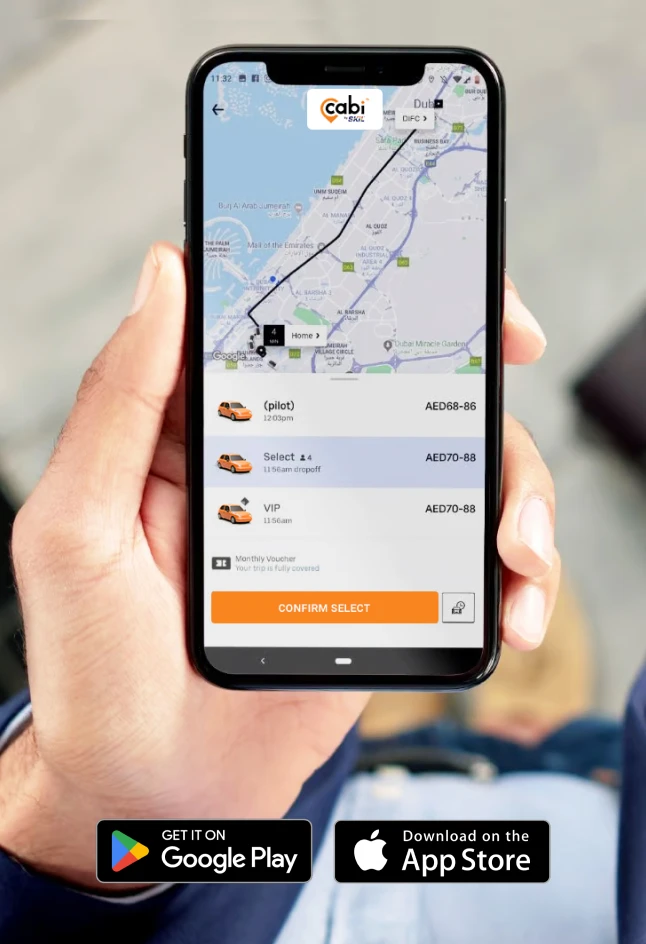
It handles air ticketing, hotels, visa assistance, corporate cabs through Cabi by SKIL and events, with support available around the clock. Keeping these bookings with one partner makes it easier to apply the same billing details across your business travel.
If you're reviewing how your company books flights, hotels and cabs, share your main routes and GST registration states with SKIL through its contact page or at sales@skiltravel.com, and ask how bookings and invoices would be handled for your setup.
GST rules on travel are detailed, but most recoverable credit is lost through simple booking and invoicing gaps. Choosing corporate travel solutions that apply the right GSTIN and company details every time is a practical place to start. SKIL Travel can help bring your flights, hotels, and cabs into one consistent booking process, so share your setup and ask how it would work.
Businesses can generally claim ITC on domestic flight tickets booked for genuine business purposes. The company GSTIN must appear on the invoice. Personal travel and employee benefit trips are subject to blocked credit provisions.
ITC on hotel rooms above ₹7,500 per night is generally available, subject to GST conditions and state registration requirements. Rooms costing ₹7,500 or less attract 5% GST without ITC, though its interpretation remains debated.
Section 17(5) of the CGST Act generally blocks ITC on rent-a-cab and passenger vehicle hire. An exception applies when employers are legally required to provide transportation to employees under applicable laws.
Companies should maintain GST-compliant invoices issued in their registered business name, with the correct GSTIN. They should also verify invoice details against GST return data and maintain records establishing the business purpose of each trip.
Corporate travel management companies help centralise flight, hotel and cab bookings. Consistent GSTIN details, company billing information, and organised invoices make expense tracking easier. This reduces documentation gaps and helps finance teams identify eligible input tax credits.
A business visa application can face delays or refusal when the purpose of travel, supporting doc...
- 20 November 2026 | by Shylender Jindal
When comparing a TMC vs travel agent, the main difference is the scope of servic...
- 18 November 2026 | by Ramanpreet Singh
How do you find a reliable corporate travel agency in Bengaluru for IT companies? Look for a prov...
- 17 November 2026 | by Shylender Jindal
How can you find a B2B travel agency that handles corporate accommodation and ground transport to...
- 13 November 2026 | by Shylender Jindal
Which corporate flight booking agents in India offer the best negotiated fares? Businesses can ex...
- 10 November 2026 | by Ramanpreet Singh Trishal Rao