

Managing employee trips and costs is a vital task for HR teams. A good policy keeps costs low and employees happy. It ensures everyone follows the same rules. Many HR leaders find this task hard because travel needs change fast. How can you make your travel policy better for your team? What are the best ways to track spending without stress? This blog explores smart tips to improve your systems.
A clear policy is the base of good corporate mastering travel India operations. It helps avoid confusion and saves time for everyone. When rules are simple, employees feel more confident during their trips. HR teams can then focus on bigger tasks instead of fixing small errors.
Tracking every rupee spent on a trip can be a slow process. Modern tools help HR professionals manage these costs with much higher accuracy. Automated systems are now a standard part of corporate travel management India today.
Travel should not be a burden for your staff. A human-centric policy considers the comfort of the traveler. Happy travelers are usually more productive during their business meetings. Many corporate travel management companies in Bangalore now focus on traveler wellness as a top priority.
Data helps HR make very smart decisions. By looking at past trips, you can find ways to save more money. Technology also reduces the manual work that often slows down HR departments.
The world of work trips is growing very fast. According to the Global Business Travel Association (GBTA), global business travel spending is expected to reach 1.4 trillion dollars by 2024 (gbta.org). This growth means HR teams must be more ready than ever.
Internal studies show that companies using automated tools save up to 20 percent on travel costs. This is why many firms choose to work with experts like SKIL Travel. Professional help ensures that you follow all local tax laws and safety rules.
Expert Quote: "The key to a successful travel program is balancing cost control with the safety and well-being of the traveler," says Suzanne Neufang, CEO of GBTA (gbta.org).
You do not have to manage everything alone. Partnering with a specialist can take the weight off your HR team. SKIL Travel offers tools that make booking and reporting very simple for big and small firms.
A great travel policy is a living document. It should change as your company grows and as the world changes. By focusing on clear rules and smart tools, HR can lead the way. Using SKIL Travel helps simplify these complex tasks for your entire team.
Focus on the needs of your people while keeping an eye on the budget. This balance is the secret to great corporate travel India management. Start by reviewing your current rules today. Small changes can lead to big savings and happier employees very quickly.
1.How can a travel policy help save my company money?
A clear policy sets firm limits on flight classes, hotel categories, and daily food costs. By using preferred vendors and booking through a single platform, companies can access special corporate rates and volume discounts. This prevents unauthorized "rogue" spending and keeps all costs within the planned budget.
2.What is the role of duty of care in corporate travel?
Duty of care is the legal and moral duty of a company to keep its staff safe while they work. A good policy includes emergency phone numbers, travel insurance details, and clear steps for medical crises. It ensures that HR can find and help any employee if a disaster occurs during their trip.
3.Can per diems replace the need for meal receipts?
Yes, many companies use per diems, which are fixed daily allowances for food and small costs. This method simplifies things because employees do not need to save every tiny bill. It reduces the paperwork for HR and gives travelers more freedom in how they spend their daily budget.
4.How does an automated system improve policy compliance?
Automated tools like those from SKIL Travel catch errors before they happen. If an employee tries to book a luxury hotel that is over the limit, the system can flag it or block the booking instantly. This stops policy breaks at the start rather than finding them weeks later in a report.
5.What should happen if an employee spends more than the limit?
The policy should clearly state the steps for overspending. Usually, if the extra cost was for a valid work reason, a manager can give special approval. If it were a personal choice, the company might refuse to pay the extra amount. Clear rules help avoid arguments between staff and the finance team.
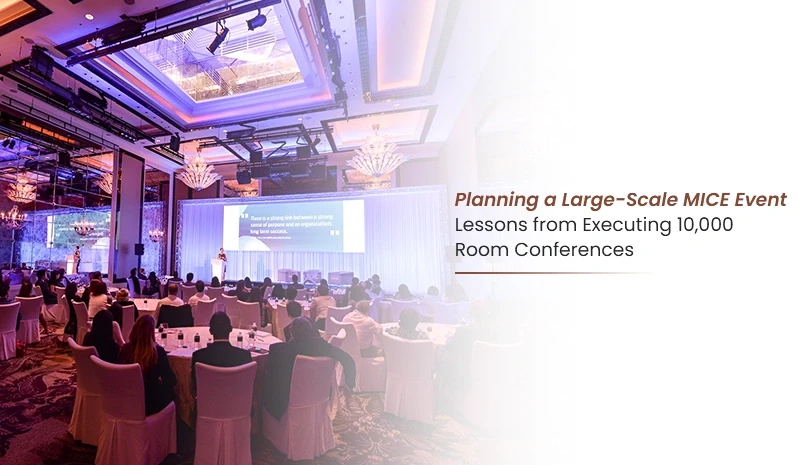
Managing a major conference is a huge task. Handling ten thousand hotel rooms requires clear thin...
- 14 September 2026 | by Shylender Jindal
Business travel needs are changing fast. For many years, companies relied on consumer ride-hailin...
- 12 September 2026 | by Shylender Jindal
Finance teams face a huge burden every month. Managing receipts from multiple trips takes up too ...
- 09 September 2026 | by Ramanpreet Singh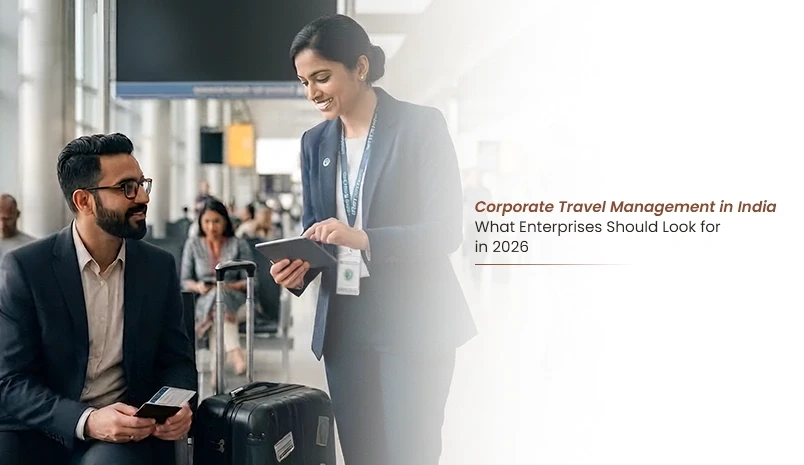
Business travel is growing fast across the Indian economy. Companies are opening new offices in t...
- 04 September 2026 | by Shylender Jindal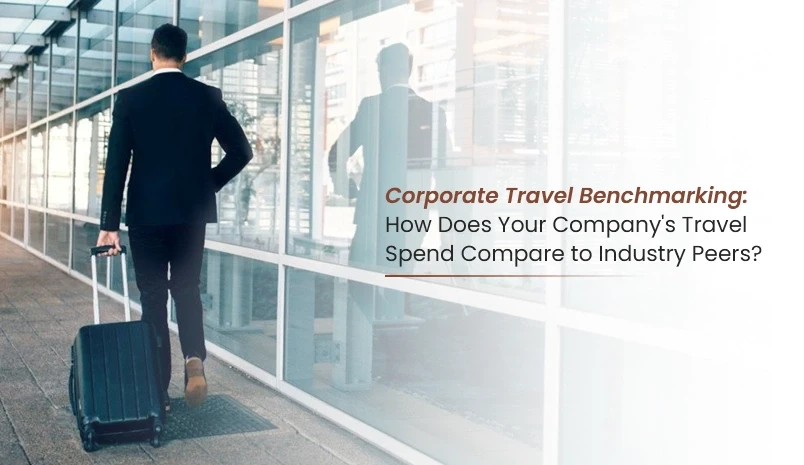
Corporate travel benchmarking helps companies answer a practical question: are we spending too mu...
- 29 August 2026 | by Trishal Rao SKIL Travel