
The way companies manage employee trips is changing quickly. In 2026, travel teams are dealing with higher costs, geopolitical uncertainty, changing traveler expectations, and greater demand for digital tools.
The latest Global Business Travel Association (GBTA) forecast expects global business travel spending to reach a record $1.71 trillion in 2026, while work-related trips are expected to exceed 1.84 billion. Rising costs are making smarter travel planning more important for companies.
AI is becoming a practical part of business travel, helping companies manage pricing, predictive analytics, reporting, booking, and traveler support. A January 2026 GBTA poll found that 65% of travel professionals saw pricing optimization as an AI opportunity, while 64% identified predictive analytics.
For corporate travel companies, AI should solve real problems, not just add another feature. It can use traveler preferences, company policies, budgets, and booking data to recommend suitable options and flag potential disruptions.
Human support still matters when travelers face complex itinerary changes, visa issues, or urgent problems.
The value of AI becomes clearer when it is connected to everyday travel tasks.
A modern system can help:
This is particularly useful for businesses managing hundreds or thousands of employee trips. Instead of checking every booking manually, travel teams can focus on exceptions, policy decisions, supplier negotiations, and traveler safety.
SKIL Travel combines technology with human travel expertise, offering flight and accommodation bookings, visa assistance, corporate transportation, MICE services, itinerary management, and 24/7 support.
Sustainability is becoming a measurable part of corporate travel. Companies are using carbon data to compare flights, rail, hotels, and ground transport while balancing cost and convenience.
GBTA forecasts European business travel spending at approximately $448.2 billion in 2026, up 8.2% from 2025. Its research also found that 38% of surveyed European business travelers used rail on their most recent business trip, compared with 8% in North America.
Better trip planning, rail on suitable routes, combined meetings, and lower-impact travel options can help companies reduce emissions without compromising business needs.
The latest numbers show that business travel remains an important business activity. Global spending is expected to grow 7.2% in 2026 to $1.71 trillion. However, the increase does not mean companies can ignore cost control. GBTA expects prices to remain under pressure through the rest of 2026 because of energy costs, labor expenses, and continued demand.
That makes centralized travel management more important.
A business to business travel agency can help organizations consolidate bookings, negotiate supplier rates, apply travel policies, and analyze spending across departments. Instead of treating every trip as an individual purchase, companies can look at travel as a complete program.
SKIL Travel, for example, provides tailored travel solutions for businesses of different sizes, with services covering bookings, accommodations, transportation, visa assistance, expense management, reporting, and corporate travel support.
The idea of the same-day or very short business trip is becoming more relevant as companies look for ways to control travel costs and employee time.
However, the better trend to watch is not simply the "micro-trip." It is trip efficiency.
Companies can ask whether several meetings can be completed during one journey, whether a virtual meeting can replace a low-value trip, or whether a traveler can use rail instead of flying on a short route.
The goal is not to reduce travel at any cost. It is to make each trip more useful.
This approach matters because recent GBTA research found that 86% of surveyed business travelers considered their trips worthwhile. The same research showed that more than 80% were traveling for work as much or more than before 2019.
Virtual meetings are convenient, but they cannot fully replace in-person interaction. GBTA research found that an 8.3% increase in U.S. travel and entertainment investment could drive a 6% increase in sales, potentially generating up to $2.4 trillion in additional revenue.
The key is to measure business travel by its value, not just its cost. Client meetings, conferences, training, and partner visits can create very different returns, making travel data essential for smarter decisions.
Choosing between corporate travel companies involves more than comparing prices. Businesses need reliable technology, flexible booking, clear reporting, policy controls, and traveler support.
Look for:
A corporate travel agency should also scale with the business, whether it manages 20 travelers or thousands of employees.
Modern corporate travel goes beyond flights and hotels. Businesses need one partner for bookings, accommodation, ground transport, visa support, MICE services, reporting, and traveler assistance.
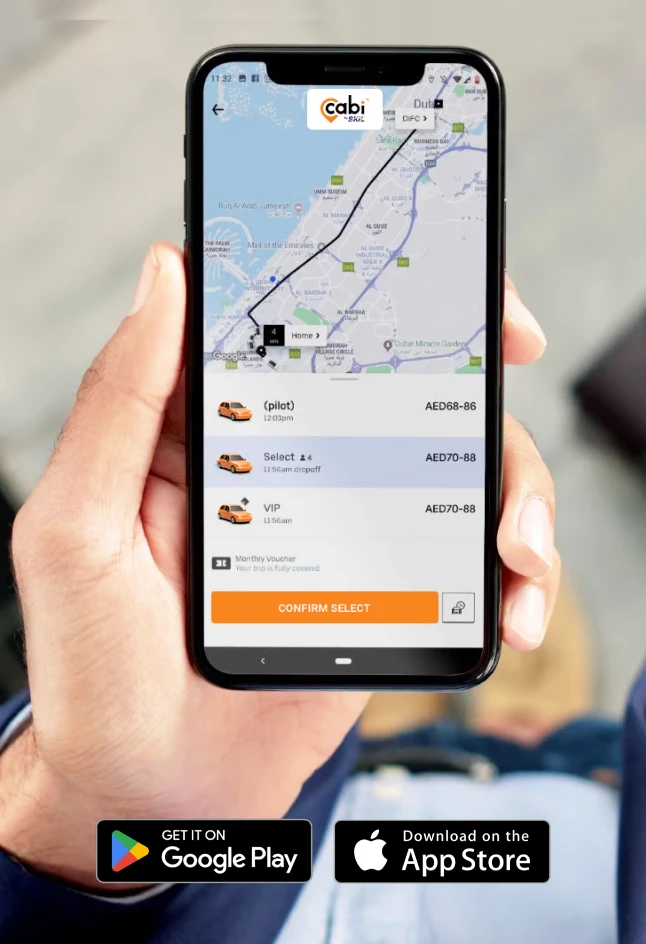
SKIL Travel provides customized corporate travel solutions, dedicated support, negotiated rates, reporting, and technology-led travel management. Its Cabi by SKIL Travel service also covers airport transfers, employee transport, and corporate rides.
This end-to-end approach helps businesses manage every part of a trip, from planning and documentation to local transportation and on-ground support.
Business travel is entering 2026 with strong demand but more complexity. Global spending is reaching record levels, while higher costs and geopolitical uncertainty are forcing companies to plan more carefully.
AI will help automate routine work and improve decision-making. Sustainability data will give companies greater visibility into their environmental impact. Centralized platforms will make it easier to control spending and policies. Human expertise will remain essential when trips become complicated.
The strongest corporate travel companies will therefore be the ones that combine technology with real support.
For businesses, the objective is not simply to travel more. It is to make every journey easier to manage, safer for employees, easier to measure, and more valuable to the organization.
AI is increasingly being used for pricing optimization, predictive analytics, reporting, booking assistance, and traveler recommendations. It helps travel teams process information faster while leaving complex decisions and exceptions to human experts.
Yes. GBTA forecasts global business travel spending of $1.71 trillion in 2026, up 7.2%, with more than 1.84 billion business trips expected worldwide.
Companies can compare emissions when selecting flights, rail, hotels, and ground transportation. They can also combine meetings into fewer trips, use rail where practical, and track travel emissions through centralized reporting tools.
In-person meetings can support client relationships, sales, training, conferences, and collaboration. Recent GBTA research found that 86% of surveyed business travelers considered their trips worthwhile.
Look beyond booking prices. Evaluate technology, policy controls, reporting, traveler support, supplier access, visa assistance, ground transportation, flexibility, and the ability to manage the full travel program.
Every company tracks travel spend. Very few track it well. Most finance teams see one total numbe...
- 23 September 2026 | by Ramanpreet Singh
Monday to Thursday is for meetings. Friday and the weekend could be for the beach, a hike, or a n...
- 25 September 2026 | by Ramanpreet Singh
A travel policy can run 10, 15, even 20 pages. An employee, meanwhile, has to decide in seconds w...
- 22 September 2026 | by Shylender Jindal
A business traveler wants speed when booking, but reassurance when plans fall apart. So, do trave...
- 18 September 2026 | by Trishal Rao
Planning a large corporate event is rarely about finding one hotel, venue, or transport provider....
- 17 September 2026 | by Ramanpreet Singh Heena saini